
CLIENT:
Cascadia Compliance Cloud
SERVICE
Art Direction Brand Imagery (world building visuals)
Website Graphics
Social media Ad Creatives
Cascadia Compliance Cloud is a SaaS compliance platform built around a single idea: compliance that ships like software. The client needed marketing visuals that could make that promise feel real — not just stated, but immediately visible and emotionally convincing to buyers who typically associate compliance with anxiety and complexity.
Fletcher Rose Studio was brought on to build a full suite of campaign assets, translating the platform’s positioning into a cohesive visual world that stands apart in a crowded category.
Deliverables included hero images for the website landing page, brand world-building imagery, style frames and deconstructed UI mockups for an explainer video, and paid social ad creatives across vertical, square, and Instagram-native formats.
Brand Imagery
Great brands don’t explain themselves — they show themselves. Brand imagery is the art of building a visual world so distinct, so considered, and so true to the brand’s core idea that audiences understand exactly who you are the moment they encounter you.



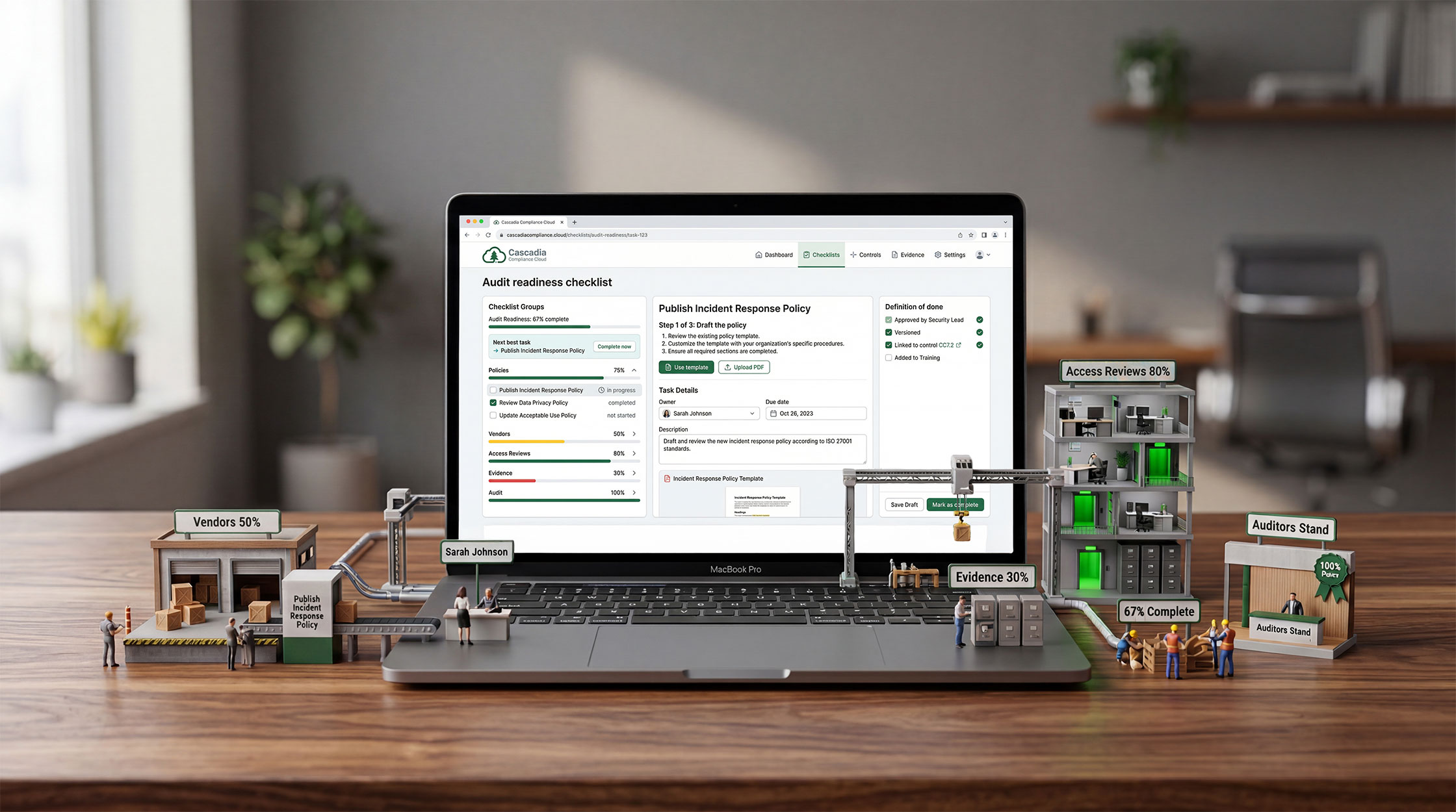
Hero website landing page header
The hero header is where brands are won or lost. It is the first frame, the strongest visual argument, and the image a visitor carries with them long after they’ve left the page. With Fletcher Rose Studio’s AI-powered art direction, brands no longer have to choose between creative ambition and budget reality. Concept-driven world-building visuals — crafted with the precision of a Fortune 500 campaign — give a website’s hero section the kind of stopping power that transforms casual browsers into convinced buyers.


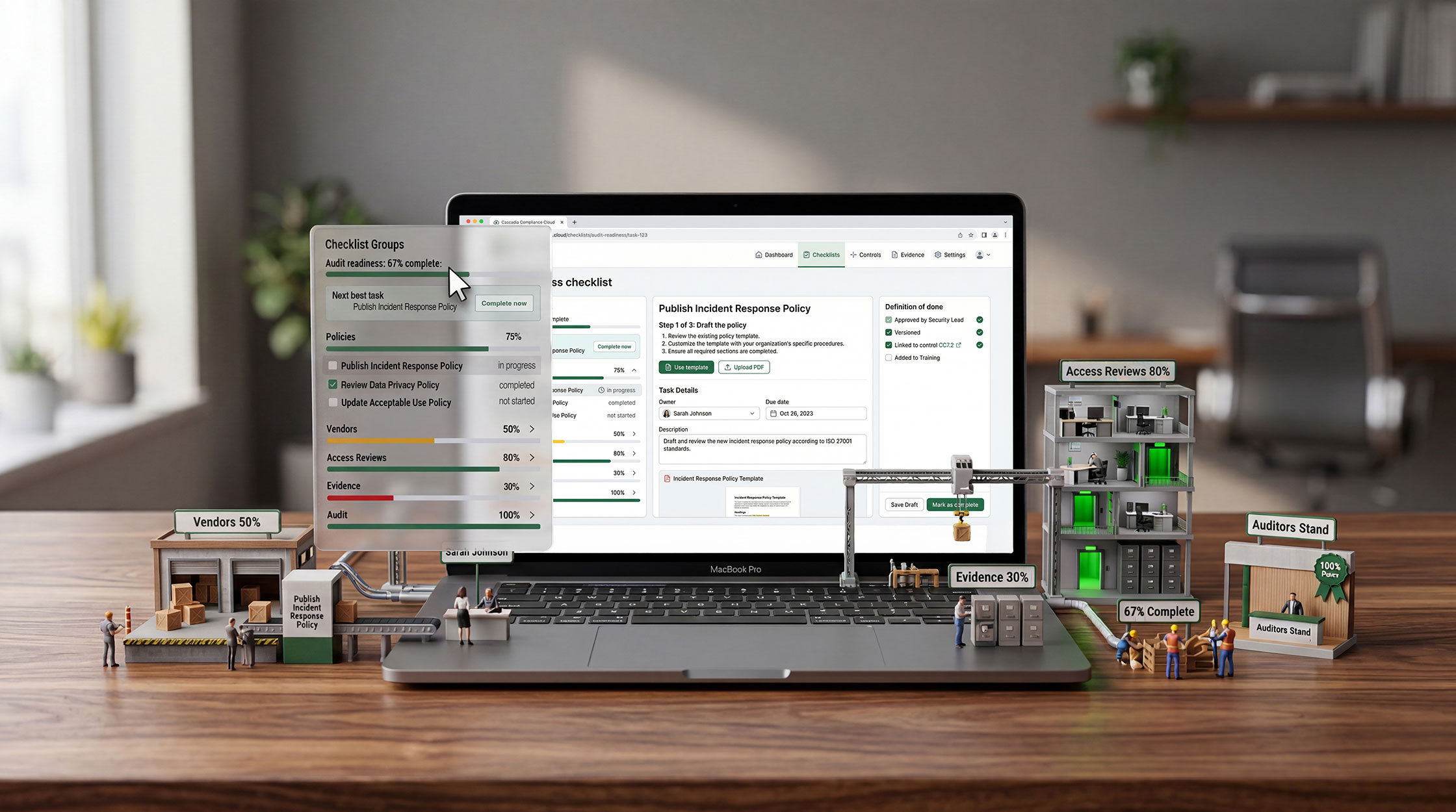
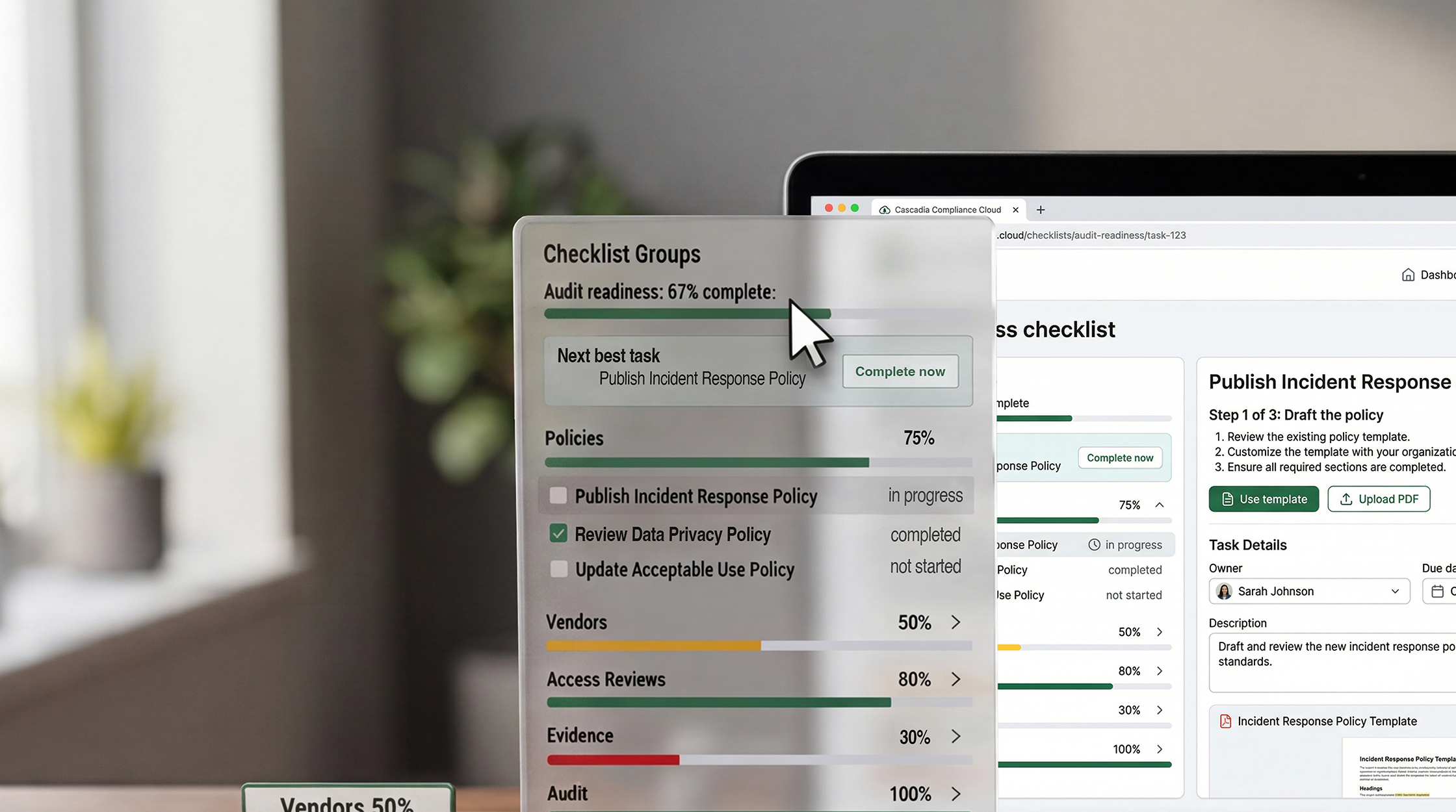
Explainer Video Style Frames and deconstructed UI’s
A great explainer video is built on great visual thinking long before it’s built on motion. Styleframes are that thinking made visible — fully rendered, art-directed snapshots of the video’s defining moments, designed to lock in the brand’s visual language, narrative arc, and emotional tone before animation begins. For Cascadia Compliance Cloud, styleframes translated the motion brief’s storyboard — from the chaos of scattered spreadsheets to the calm precision of a live, audit-ready dashboard — into a visual sequence that is as compelling as a still image campaign and as purposeful as a product demonstration. Fletcher Rose Studio’s AI-powered art direction makes this level of pre-production craft accessible to brands that previously couldn’t afford it, compressing what was once weeks of concept development into a process that moves at the speed of the idea itself.

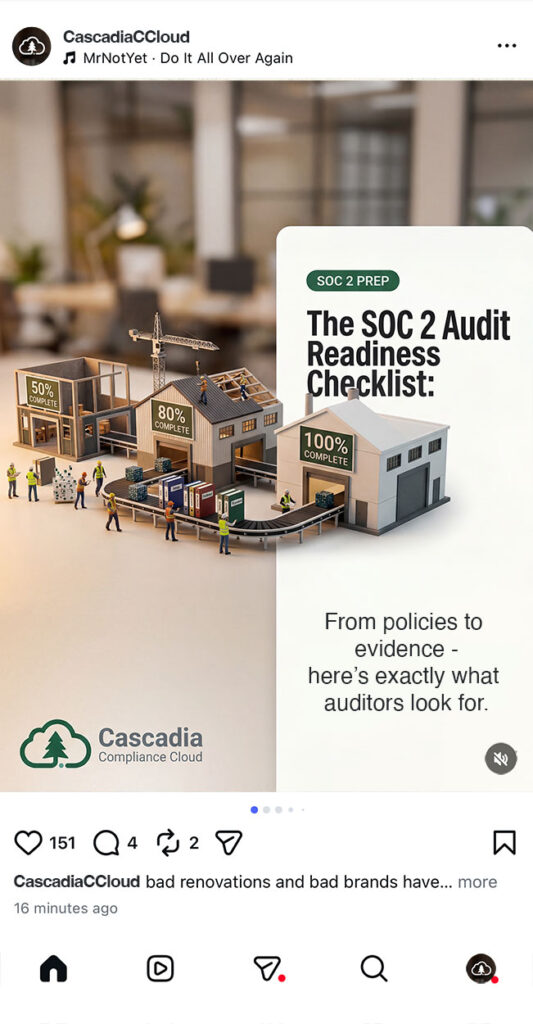
social media ads
Social media ads are the sharpest test of a brand’s visual identity. Stripped of context, competing for attention against hundreds of other posts, and consumed in seconds — they demand imagery that is immediately arresting, unmistakably on-brand, and clear enough to communicate at a glance. Fletcher Rose Studio’s AI-powered art direction elevates a brand’s entire social presence by bringing concept-driven, campaign-quality visuals to every format and placement. For Cascadia Compliance Cloud, this meant a suite of paid social creatives — vertical 9:16 ads, square statics, and Instagram-native formats — all built from the same world-building visual language as the hero campaign. The result is a social media presence that doesn’t just advertise a product — it extends a brand universe into every platform a buyer encounters, building recognition, trust, and desire with every impression. At a fraction of the cost of traditional ad production, and delivered at the speed modern campaigns demand.





Project Case Study
The Creative Vision:
The brief said it plainly: “Compliance that ships like software.” The challenge was making that metaphor visible — not just stated.
Text can claim a product is modular and engineered. But showing a literal miniature factory, assembled around the very hardware the software lives on, makes the metaphor undeniable. The diorama concept was born from that impulse: what if we didn’t describe how compliance is built — what if we actually built it, in miniature, and let audiences discover it?
The miniature world concept transforms an intangible SaaS product into something you feel you could reach out and touch. Tiny figurines operate compliance stations. Labeled crates move along conveyor belts. Assembly lines run policy blocks through quality checks. Each station — Version Control, Policy Assembly, Compliance Mapping, Vendor Risk, Incident Response, Access Control, Encryption — exists as a physical place in the world, not just a tab in a dashboard. The software UI remains visible on the laptop screen at the center of each scene, grounding the fantasy in product reality. The physical world and the digital world occupy the same frame, reinforcing the core brand idea: that compliance is no longer abstract back-office work — it is a structured, repeatable, engineerable process.
The aesthetic also serves a deeper emotional purpose. Compliance is a category defined by anxiety. Most marketing in this space leans into urgency and fear — breach alerts, red dashboards, audit deadlines looming. The dioramas do the opposite. They are calm, warm, and oddly satisfying to look at. The miniature scale makes the work feel manageable. The handcrafted quality signals care and precision. The result is a brand that feels trustworthy not because it tells you to trust it, but because it shows you a world where compliance is already under control.
The Creative Process: From Concept to Completion
The brief as a creative constraint. The design brief called for “build system metaphors” and “modular components” as the visual translation of the brand’s fast/shippable personality. That language planted the seed. A build system has stages. A modular component has a physical counterpart. The leap from those words to a miniature factory floor was a short one — and once the idea surfaced, it was clear it could do something static UI mockups alone could not: it could make the brand world feel real and inhabited.
Designing the factory floor. Each diorama scene was constructed to mirror the product’s own architecture. The four core modules of the platform — Collect, Map, Review, Prove — were translated into distinct physical stations within the scene. A policy comes in as raw material, moves through an assembly line, gets quality-checked at the Compliance Mapping board, and ships out as a verified audit artifact. The narrative of the entire product is legible in a single image, without a word of copy.
The laptop as the world anchor. Placing the diorama around and on top of the laptop hardware was a deliberate compositional choice. The laptop is the product’s home — it keeps the imagery grounded in real software, not pure fantasy. Audiences see the actual product UI on the screen while the miniature world wraps around it, creating a seamless bridge between the experience of using the product and the idea of what the product does. It is product photography and brand world-building occupying the same frame.
Staffing the world. The inclusion of small human figurines at each station was equally intentional. They carry out recognizable tasks — reviewing a document, moving a crate, checking a status board — that mirror the actions real users take inside the platform. This keeps the metaphor honest. The world is not just decorative; it is a functional parallel to the actual product workflow, populated by recognizable human actors, which makes the viewer feel like a participant rather than a spectator.
Consistency as a campaign system. Each hero image was built from the same visual language — the same scale, the same warm-neutral lighting, the same physical materials — so that across multiple deliverables, a coherent brand universe emerged. Whether viewed on a homepage hero, a social ad, or a printed one-pager, every diorama image reads immediately as Cascadia. The miniature world became the brand’s signature, the thing that makes it instantly recognizable in a category where most competitors look identical.
AI-Powered Art Direction: The Fletcher Rose Studio Advantage
The Cascadia Compliance Cloud world-building visuals are a direct product of Fletcher Rose Studio’s core belief: that exceptional visual storytelling should not be reserved for corporations with seven-figure production budgets. The diorama concept — with its intricate miniature factory floors, precisely lit compliance stations, and photorealistic 3D environments — is exactly the kind of imagery that would have traditionally required a team of physical set builders, prop makers, lighting crews, and post-production artists working over weeks or months. AI-powered art direction changed that equation entirely. Fletcher Rose Studio
Speed without sacrifice. One of the most tangible advantages of the studio’s AI-driven approach is the ability to move from concept to finished hero image in a fraction of the time traditional production demands. For a brand launch kit like Cascadia’s — where multiple scenes, formats, and platform sizes were needed simultaneously — that speed is not merely a convenience. It is what makes the entire world-building campaign feasible for a growing SaaS brand at all. What would traditionally take months of physical set construction and studio scheduling was compressed into days, without any loss in visual quality or creative ambition.
Fortune 500 quality at a fraction of the cost. Fletcher Rose Studio operates at the intersection of elite creative direction and cutting-edge AI tools, delivering “Fortune 500-level strategic aesthetics and cinematic quality at 70–90% cost savings.” For Cascadia, this meant the diorama visuals — which carry the visual weight of a big-budget brand campaign — were achievable without a big-budget production line. The AI tooling handles the photorealistic rendering, material texture, environmental lighting, and spatial depth that would otherwise require expensive 3D modeling studios or elaborate physical sets. The art director’s role shifts from managing logistics to directing vision — deciding what the world means before the tools bring it to life.
Unlimited creative iteration. Because the world-building visuals were generated through AI-powered art direction rather than physical construction, creative decisions could be explored, revised, and refined rapidly. The angle of a scene, the placement of a compliance station, the warmth of the ambient light, the scale of a figurine relative to a keyboard — these choices could be tested and compared in real time. In a traditional production environment, changing a set mid-shoot carries significant cost. Here, iteration is built into the process, ensuring the final images represent the most creatively resolved version of the concept rather than the first version the budget allowed.
Art direction as the differentiator. Crucially, the AI tooling at Fletcher Rose Studio is never the author of the work — the art director is. The studio’s founder brings a formal background in graphic design from Seattle Central Creative Academy and a BFA in Media Arts from The Evergreen State College, combined with over 15 years of professional design experience. The dioramas are not the product of a prompt typed into a generator; they are the result of a fully developed creative concept — rooted in the brief’s positioning, shaped by design principles, and executed with intentional aesthetic decisions about composition, metaphor, and brand storytelling. AI is the production instrument; human creative vision is what makes the work meaningful and strategically coherent. About Fletcher Rose Studio
Consistency across every surface. Perhaps the most underappreciated advantage of AI-powered art direction for world-building work is the ability to maintain visual consistency at scale. Across every Cascadia deliverable — the homepage hero, the feature mockups, the social ads, the vertical paid media formats — the same miniature world holds together. The lighting feels like the same light source. The materials feel like the same physical environment. The figures feel like they inhabit the same space. This level of cross-format coherence would be extraordinarily difficult to maintain across multiple physical shoots, but within an AI-powered workflow, the brand world travels intact into every asset, on every platform, at every size. The result is not just a collection of strong individual images — it is a brand universe that audiences experience as a single, unified world.